


Before delving into the five common myths about airport ground staff or check-in agents, I’d like to share a little story. A few years ago, I decided to explore a different side of the airport, the world of ground staff, especially check-in agents. It was my second chapter in aviation, after two years working as a flight attendant. I wanted to understand what life was like “on the other side of the counter”… and I fell in love with it.

I came in with a solid background, both literally and figuratively, and that helped me get into the rhythm quickly. But as I spoke with friends, colleagues, and aspiring candidates, I realized that airport jobs, especially check-in roles, are often misunderstood. There are so many clichés that make this profession seem less than what it truly is.
Check-in agents are the first face a passenger sees. And no, they don’t just print boarding passes or weigh luggage. They handle travel documents, assist passengers with special needs, manage sensitive situations, and coordinate with operational teams. Their role is essential to ensure that the departure process runs smoothly and safely.
Yet, the myths persist. Some people think it’s a repetitive, low-skilled job with no future. But the truth is very different – it requires problem-solving, quick thinking, empathy, and specific training. And yes, there are real opportunities for growth, both in your home country and abroad.
In this article, I want to share the truth behind these myths with a clear and positive perspective. Because working at check-in is so much more than what it looks like from the outside.

5 Common Myths About Airport Check-In Agents
Myth 1 - Check-In Agents Do the Same Thing Every Day
How many times have I heard someone say, “Check-in agents just do the same thing over and over…” And every time, I smile, because anyone who’s actually worked a shift at the airport knows that no two days are ever the same.
The role of a check-in agent is anything but repetitive. Each day brings new flights, new challenges, and new passengers with unique stories to share. The role goes far beyond issuing boarding passes or checking baggage. It involves navigating human interactions, handling emotions, responding to the unexpected, and making quick, informed decisions on the spot. Some days you’ll face overbooked flights, late arrivals, lost baggage, or weather disruptions. Others, you’ll assist passengers with disabilities, unaccompanied minors, or someone simply afraid to fly. And you’ll be there, in uniform and with a smile, acting as the bridge between chaos and departure.
Ground staff work closely with security teams, gate agents, and cabin crew. Every interaction is different and demands preparation, empathy, and quick thinking. Airport training isn’t just technical—it’s emotional, relational, and hands-on.
If you think this is a static job, think again. It’s a dynamic, fast-paced role that teaches you how to grow, handle stress, and communicate effectively. And yes, it can certainly become a long-term career at an airport, with opportunities for advancement and specialization.
Airport recruitment is on the rise, and if you’re considering applying as a check-in agent, know that it will never be “just the same old thing.” It will be a new takeoff like every single day.
Myth 2: You Don’t Need Training to Work at the Airport
One of the most common misconceptions I heard about airport jobs is that you just need to “show up with a smile” to become a check-in agent. In reality, this profession requires serious, multidisciplinary training.
Airport operations are governed by strict procedures, international regulations, and complex systems—and check-in agents are the first link in a chain that must run flawlessly.
Airport training is essential to handle daily challenges: verifying travel documents, managing emergencies, assisting passengers, using specialized software, and communicating effectively with people from all over the world. This job is not just technical—it’s deeply human.
Thankfully, there are certified training programs offered by airlines and ground handling companies. For example:
UNITED KINGDOM
- Ground Operations Training – AviationCourses.co.uk Offers IATA and ISAGO-compliant training in passenger services, ramp handling, and airport safety.
CANADA
- Diploma in Airport Ground Services – Sky Vision Academy Comprehensive program with hands-on training in check-in, baggage handling, and ramp operations.
UNITED STATES
- Embry-Riddle Aeronautical University offers aviation operations degrees with modules in airport ground services and logistics.
- Vaughn College of Aeronautics – Ground Operations Listed among top U.S. institutions for ground operations training, with a strong industry focus.
AUSTRALIA
- Certificate III in Aviation (Ground Operations and Service) – TAFE NSW Entry-level qualification covering check-in, ramp safety, and customer service.
My Advice to You:
If you’re thinking about working at the airport, here’s something I’ve learned that’s not just about showing up with motivation. This job asks for more and gives back even more in return. Trust me! What you’ll need is technical know-how, strong communication skills, and the ability to stay calm and professional when things get intense.
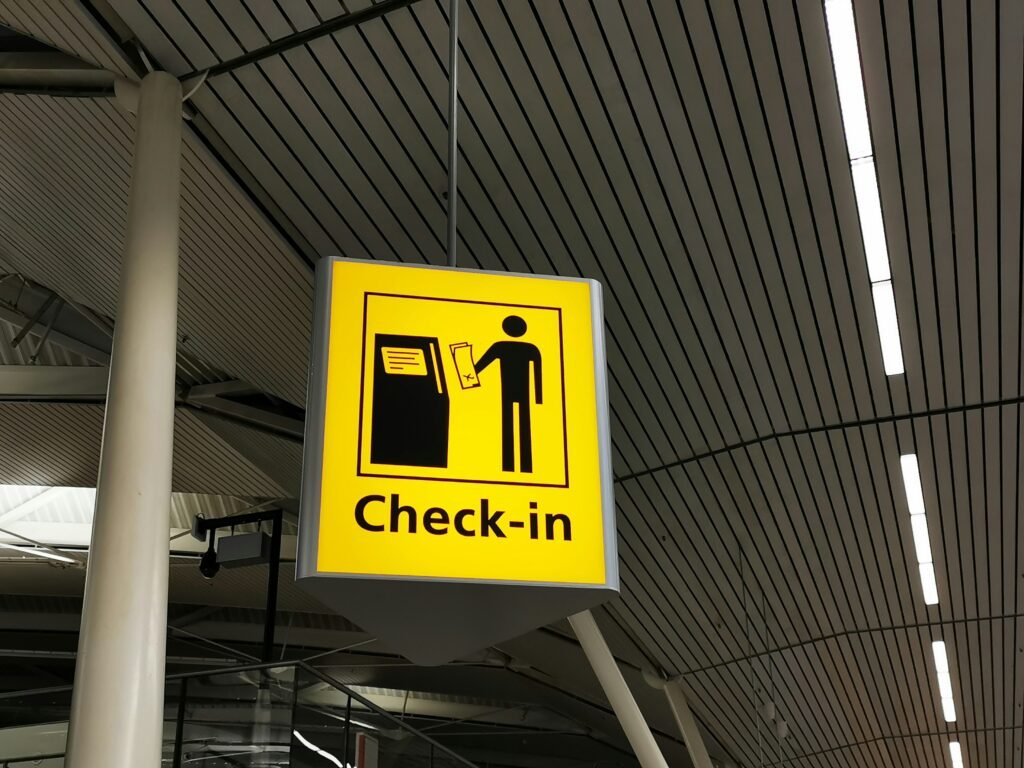
Myth 3 - Working at Check-In Is Not a Rewarding Job
Contrary to popular belief, working as a check-in agent is a deeply rewarding and enriching experience. This role within ground operations offers not only a wide variety of daily tasks but also the chance to interact with people from diverse cultures and backgrounds. Every day, check-in agents meet travelers from all over the world, making the job dynamic and stimulating. Sometimes I had the strange impression that I met 10.000 persons in one single day…
One of the most fulfilling aspects of this role is the ability to directly impact a passenger’s journey. Each interaction is an opportunity—not just to assist, but to create memorable moments. A smile, a helpful tip, or calm support during a stressful situation can make a real difference for someone about to embark on a long trip. From last-minute bookings to unexpected emergencies, no two days are ever the same.
Ongoing airport training, especially in customer service, enhances job satisfaction even further. Check-in agents are trained to handle sensitive communication and high-pressure situations, which not only strengthens their professional skills but also boosts their confidence. Solving problems and supporting passengers brings a genuine sense of pride and accomplishment.
Myth 4: Check-In Jobs Are for People with Low Ambition
There’s a common misconception that check-in roles are only for people with limited career aspirations. In reality, nothing could be further from the truth. For many, becoming a check-in agent is the first step in a fulfilling and upwardly mobile career in aviation. In my case, I did the opposite – I started as a flight attendant with Ryanair and later transitioned into the vast and dynamic world of ground operations as a check-in agent.
Many professionals begin their journey in the airline industry at the check-in desk. It’s a dynamic role that demands strong communication skills, teamwork, and the ability to solve problems under pressure. These skills are transferable to other areas of airport operations.
In fact, many check-in agents go on to advance into roles in operations management, airport security, or leadership of customer experience. Continuous training is key; airlines and airports offer professional development programs that help ground staff expand their knowledge and prepare for new challenges.
Success stories are everywhere; former check-in agents become cabin crew, supervisors, or even department heads. When I started working as a check-in agent alongside my job as a flight attendant, I gradually began to see colleagues making the shift themselves – literally changing their uniforms to become airline cabin crew. That kind of career evolution is not unusual in this industry; it’s a path many take, and it’s inspiring to witness.
Myth 5: Ground Agents Are Always Stressed
One of the most widespread myths about check-in agents is that they’re constantly under pressure and stress. While it’s true that airport work can be fast-paced and unpredictable, it’s important to highlight that there are effective stress management techniques that make a big difference in this dynamic environment.
First, proper airport training plays a crucial role
During onboarding, ground staff are taught how to handle the daily challenges of the job. These strategies help agents manage their workload and respond calmly to unexpected situations like delays or emergencies. With the right mindset and preparation, stressful moments can be handled with confidence.
Second, team support is essential.
In secondo luogo, il supporto del team è un altro fattore essenziale. Lavorare con il pubblico e interagire costantemente con i colleghi può contribuire a creare un ambiente di lavoro più sereno. Gli addetti al check-in devono collaborare e comunicare efficacemente tra loro per coordinarsi durante i picchi di attività. Questa cooperazione non solo facilita il lavoro, ma riduce anche la percezione dello stress.
Manage Time
Finally, learning how to manage time and prioritize tasks is key to thriving in this career. With the right tools and support, ground agents can navigate the demands of the job without being consumed by stress. At the beginning, my stress level was to the moon, but with the acquisition of experience, it all felt good afterward.
While airport work may seem stressful at first glance, with proper training and a strong team environment, check-in agents can face daily challenges with resilience and confidence. Understanding how to manage workload is essential for building a satisfying and sustainable career in aviation.

The Role of Check-In Agents in Airport Safety
When we think of airport security, we often picture metal detectors, baggage scanners, and uniformed officers. But there’s another key figure who plays a vital role from the very first passenger interaction, and this is the airport check-in agent.
These professionals do far more than print boarding passes and tag luggage. Every day, they verify travel documents, confirm identities, inspect baggage, and most importantly, they observe. Working at the airport requires vigilance, quick thinking, and the ability to spot subtle signs that could make a difference.
The ground staff training they receive is designed to prepare them for this responsibility. Check-in agents learn how to recognize suspicious behavior, handle sensitive situations, and collaborate in real time with airport security personnel. They are often the first operational filter, helping prevent prohibited items from boarding and ensuring a smooth, safe journey for all passengers.
There’s also a less visible but equally important aspect – the perception of safety. A well-trained, professional, and reassuring check-in agent builds trust. And in a world where concerns about air travel security are ever-present, that trust matters.
The True Value of Ground Staff
Debunking myths about airport jobs means recognizing that ground staff are not just there to “check people in.” Check-in agents are an integral part of a system that protects, welcomes, and guides. Those who choose this aviation career path do so with a strong sense of duty, attention to detail, and a commitment to making the airport a safe and human space.

Learn More About...
If you’re interested in working in aviation and want to learn all the details about how to become a ground staff professional, I invite you to read the dedicated article: “How to Become a Ground Staff.“