How to Become a Ground Staff in 2025 – Role, Skills, Certifications, and Passenger Experience
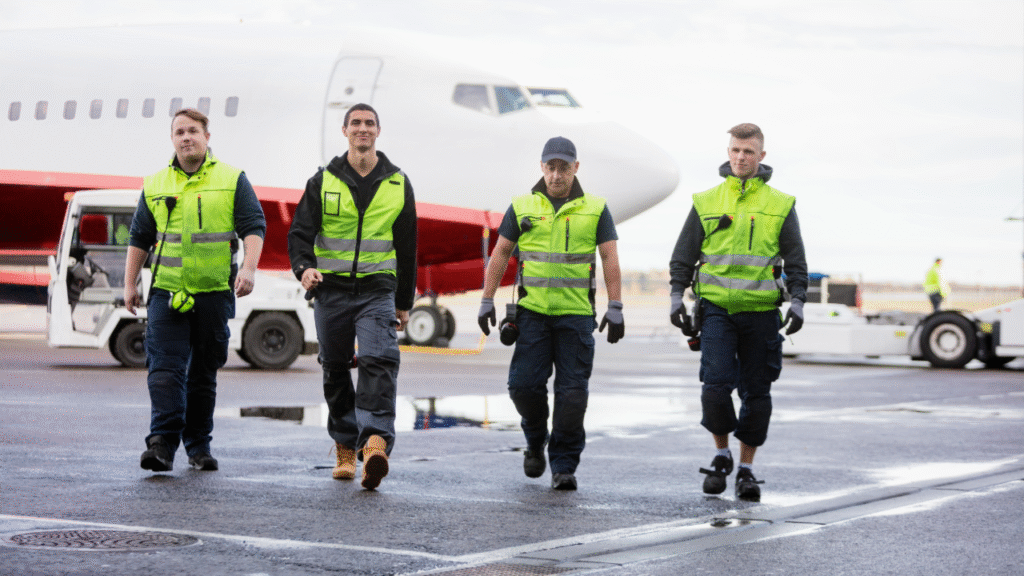
Ground staff play a crucial role in the aviation industry, ensuring everything runs smoothly on the ground before and after flights.
This blog post delves into the daily routines, skills, challenges, and impact of ground staff, highlighting their indispensable contributions to the travel experience.
Surprising Fact: Did you know that the first commercial airport, Croydon Airport in London, opened in 1920? Back then, ground staff were referred to as “aerodrome attendants.”
Step 1: Who Are Ground Staff?
Ground staff perform a variety of vital roles to ensure airports and airlines run smoothly. For example, baggage handlers load and unload luggage from aircraft, making sure all bags are sorted and transported to their correct destinations.
Meanwhile, check-in agents assist passengers with check-in procedures. They issue boarding passes, check luggage, and address any concerns or special requests. On the tarmac, ramp agents oversee the safe and efficient movement of aircraft. They guide planes to and from gates, connect ground power units, and perform pre-flight inspections.
Throughout the airport, customer service representatives are always ready to help. They provide information, resolve issues, and ensure a positive travel experience for passengers.
Each role requires a range of skills and a strong commitment to safety, efficiency, and customer satisfaction. Stay tuned as we dive deeper into each role soon!
And here’s a surprising fact: Did you know that the world’s busiest airport, Hartsfield-Jackson Atlanta International Airport, handles over 107 million passengers annually? This feat requires an extensive ground staff team to manage operations seamlessly.
Step 2: The Daily Routine
A typical day is fast-paced and varied, filled with various tasks from arriving at the airport until the end of their shift.
Let’s take a closer look at their daily routine. Ground staff start their day with a briefing session where they review flight schedules, weather conditions, and any special instructions or updates. Next up, the check-in process—check-in agents assist passengers with their tickets, luggage, and any special requirements, ensuring everything goes smoothly and efficiently.
Once that’s underway, baggage handlers jump into action. They sort and transport luggage to the appropriate aircraft, making sure everything is loaded safely and securely. Meanwhile, ramp agents guide aircraft to and from the gates, connect necessary ground equipment, and assist with the boarding and disembarking process.
Throughout the airport, you’ll find customer service representatives ready to answer questions, resolve issues, and provide information to passengers. Each task demands meticulous attention to detail, coordination, and effective communication among the team members.
Surprising Fact: Did you know that ground staff at major airports can handle up to 700 aircraft movements daily, ensuring that every flight is safely guided to its gate?

Step 3: Skills and Qualities Required
To perform their duties effectively, ground staff must possess a diverse set of skills and qualities. First and foremost, communication skills are crucial. Excellent verbal and written communication is essential for interacting with passengers, colleagues, and airport personnel.
Next, teamwork plays a vital role. Collaboration and teamwork are crucial since ground staff often work in groups to complete tasks efficiently and safely. In addition, problem-solving skills are indispensable. The ability to think quickly and resolve issues is vital, especially in fast-paced environments where unexpected challenges can arise.
Moreover, physical stamina is necessary. Many roles involve physical labor, such as lifting heavy luggage and standing for extended periods. Additionally, customer service is key. Providing exceptional customer service ensures a positive travel experience for passengers, thereby enhancing their overall journey.
These skills collectively enable ground staff to handle the demands of their roles while maintaining safety and efficiency. Interestingly, it is estimated that more than 2 million pieces of luggage are handled worldwide every day, requiring impeccable organization and teamwork from ground staff.
Top Ground Staff Schools in the USA and Europe
To help you get started, here are some of the best ground staff schools in the USA and Europe:
USA
Future ground staff can greatly benefit from seeking advice from experienced professionals, engaging in continuous learning, and actively participating in industry networking events to advance their careers. For instance, pursuing specialized programs at institutions like Embry-Riddle Aeronautical University can provide a strong foundation and valuable insights into the aviation industry.
Europe
Institutions like The Launch Group in Europe, more precisely on UK, offer specialized programs that can equip individuals with the essential skills and knowledge for a successful aviation career.
Step 4: Challenges Faced by Ground Staff
They can encounter a range of challenges in their daily work, including:
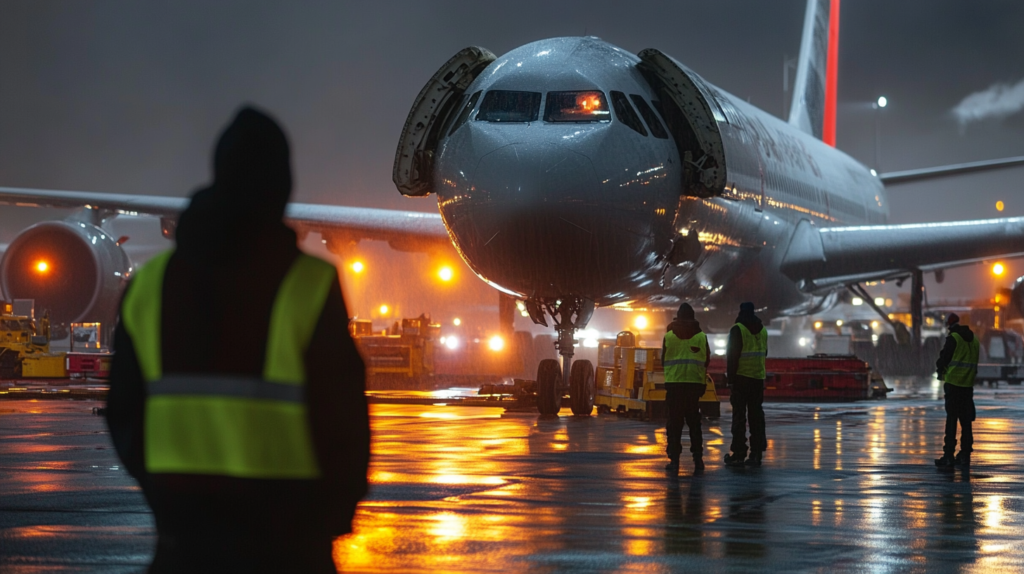
Weather Conditions: Adverse weather can impact flight schedules and ground operations, requiring ground staff to adapt quickly and ensure safety protocols are followed.
Tight Schedules: Working under tight schedules can be stressful, as delays and unforeseen issues can disrupt the flow of operations.
Difficult Passengers: Ground staff must handle difficult or upset passengers with professionalism and patience, often finding solutions to their problems.
Safety Regulations: Adhering to strict safety regulations and protocols is paramount, requiring constant vigilance and attention to detail.
Despite these challenges, they remain dedicated to their roles, ensuring a smooth and safe travel experience for passengers.
Surprising Fact: Extreme weather conditions like snow and ice can add up to two hours to ground operations per flight, as crews work to de-ice aircraft and maintain safe runway conditions.
Step 5: The Impact of Technology
Technology has significantly transformed the work of ground personnel, offering both benefits and challenges:
Automated Check-In Kiosks: These kiosks streamline the check-in process, allowing passengers to check in and print boarding passes independently.
Advanced Baggage Handling Systems: Modern baggage handling systems improve efficiency and accuracy, reducing the likelihood of lost or delayed luggage.
Communication Tools: Enhanced communication tools enable ground staff to coordinate more effectively, ensuring smooth operations.
Challenges: While technology offers many benefits, it can also present challenges, such as the need for continuous training and adaptation to new systems.
Embracing technology allows ground staff to enhance their efficiency and improve the overall passenger experience.
Surprising Fact: The world’s largest baggage handling system, located at Dubai International Airport, stretches over 90 kilometers (56 miles) and handles up to 15,000 bags per hour.
Step 6: Ground Staff and Passenger Experience
Ground staff play a vital role in shaping the passenger experience, from check-in to boarding:
Efficient Service: Providing quick and efficient service helps reduce wait times and ensures a smooth travel process.
Friendly Assistance: Positive interactions with ground staff can significantly enhance a passenger’s journey, leaving a lasting impression.
Problem Resolution: Ground staff’s ability to resolve issues promptly and effectively contributes to a stress-free travel experience.
The dedication and professionalism of ground staff are integral to creating a positive and memorable travel experience for passengers.
If you’re interested in other aviation careers, check out our comprehensive guide on various aviation roles.
Conclusion
As you navigate through airports, remember that there’s an entire team working diligently behind the scenes to make your journey seamless. These dedicated ground staff members pour their skills and commitment into ensuring every detail is perfect, from the moment you check in to the time your plane takes off and lands. The next time you travel, take a moment to acknowledge and appreciate the hard work of these unsung heroes who strive to make your travel experience safe and enjoyable.
Their dedication truly makes a difference.