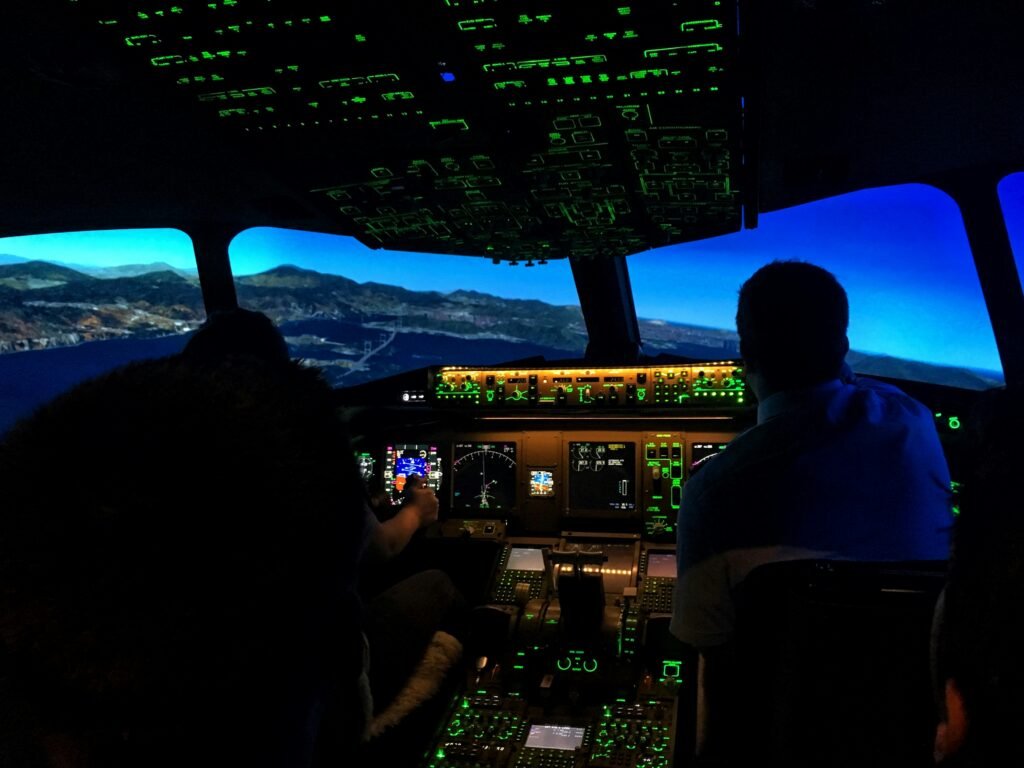
Step-by-step guide: how to become a pilot – training, licensing, and career tips
If you've ever looked up at an airplane and imagined yourself in the cockpit, you're not alone. Knowing how to become a pilot is a dream shared by many, but finding the right path can be a challenge.
Having worked closely with pilots daily, I’ve always seen them as fellow humans sharing our fears, joys, and triumphs. They might seem like superheroes in their uniforms, but behind that image are individuals who have faced the same challenges and uncertainties we all do. Today, we’ll walk you through the essential steps to becoming a pilot, from assessing your eligibility to taking your first solo flight. Ready to take off? Let’s dive in!
Step 1: Assess your eligibility!
To begin your journey as a pilot, you must meet some essential criteria:
- Age: You must be at least 16 years old to get your student pilot certificate and 17 to become a private pilot.
- English: Proficiency in English is crucial as it’s the international language of aviation, which is necessary for clear communication with air traffic control and understanding flight manuals.
- Medical Exam: You’ll need to pass a medical exam to ensure you are physically and mentally fit to fly.
Surprising Fact: Did you know? Some countries offer glider pilot licenses to individuals as young as 14! This means you can start flying gliders even before you’re old enough to drive a car.
Step 2: Choose your path
Age requirements:
- Student Pilot Certificate: Obtainable at 16, this certificate allows you to start your flight training under the supervision of an instructor.
- Private Pilot Certificate: Obtainable at 17, this certification allows you to fly solo and carry passengers, reflecting the increased responsibility and skill required.
English Proficiency:
Aviation relies on clear communication. Proficiency in English is essential for reading and understanding flight manuals, following safety procedures, and communicating with air traffic control.
Medical exam:
Pilots must pass a medical exam to ensure they are fit to operate an aircraft. This includes checks for conditions that could impair flying ability, such as vision problems or neurological disorders.
Surprising Fact: Did you know? Some countries offer glider pilot licenses to individuals as young as 14! This means you can start flying gliders even before you’re old enough to drive a car.
Step 3: Select a flight school
Choosing the right flight school is crucial. Consider these factors:
-
Experienced Instructors: They provide valuable insights and help you develop good habits.
-
Modern Aircraft: Ensure you train on well-maintained, up-to-date aircraft.
-
Good Reputation: Look for schools with a proven track record.
-
Integrated Programs: These combine classroom study with practical flight training.
-
Cost and Financing Options: Understand the total cost and available financing options.
-
Location and Facilities: The school’s location can affect your training experience.
Did you know? In some flight schools, you can start flying solo after just 10 to 20 hours of training! Imagine the thrill of taking off by yourself for the very first time.
Top Flight Schools in the USA and Europe
To help you get started, here are some of the best flight schools in the USA and Europe:
USA
Embry-Riddle Aeronautical University: Known for its comprehensive aviation programs and state-of-the-art facilities.
Purdue University: Offers robust aviation programs with a strong emphasis on both theoretical knowledge and practical flight training.
Ohio State University: Provides a well-rounded aviation program with various career paths in the aviation industry.
Europe
CAE Oxford Aviation Academy: Offers integrated Airline Transport Pilot License (ATPL) programs.
BAA Training: Provides a range of ab initio and experienced pilot programs.
Airbus Training Center: Offers specialized training programs in collaboration with Airbus.
Step 4: Begin Flight Training
Start your flight training, which includes ground school for theory and practical flight lessons for hands-on experience. You’ll begin with basic maneuvers and progress to more advanced techniques.
Step 5: Obtain Your Certificates
Once you’ve completed your training, it’s time to obtain your certificates. This involves passing written exams, practical tests, and a medical exam. Each certificate has its requirements and privileges.
Step 6: Gain Experience
Gaining experience is key. Accumulate flight hours to build your skills and logbook, which is essential for advancing your career and meeting the requirements for higher certificates.
Surprising Fact: Did you know? The world’s youngest commercial pilot, Mack Rutherford, completed his first solo flight at just 14 years old and went on to become a fully licensed commercial pilot at the age of 18!
Step 7: Stay Updated
Keep yourself updated with the latest aviation regulations, technology, and best practices. Continuous learning is vital in the ever-evolving field of aviation
Step 8: Network and Seek Opportunities
Networking is a vital component. Building connections can open doors to new opportunities and support your professional growth.
Surprising Fact: Richard Branson, the founder of Virgin Group, attributes much of his success to his networking skills. He started his first business by using his connections to secure interviews with high-profile individuals, eventually leading to the creation of Virgin Atlantic and his aviation ventures.
Here are some strategies to effectively network and advance in the aviation industry:
- Join Aviation Clubs and Associations: Such as AOPA or EAA.
- Online Communities: Participate in forums and social media groups.
- Mentorship: Seek or offer mentorship for valuable insights.
- Attend Aviation Events: Such as airshows, workshops, and career fairs.
Regularly check aviation job boards and listings for job opportunities.
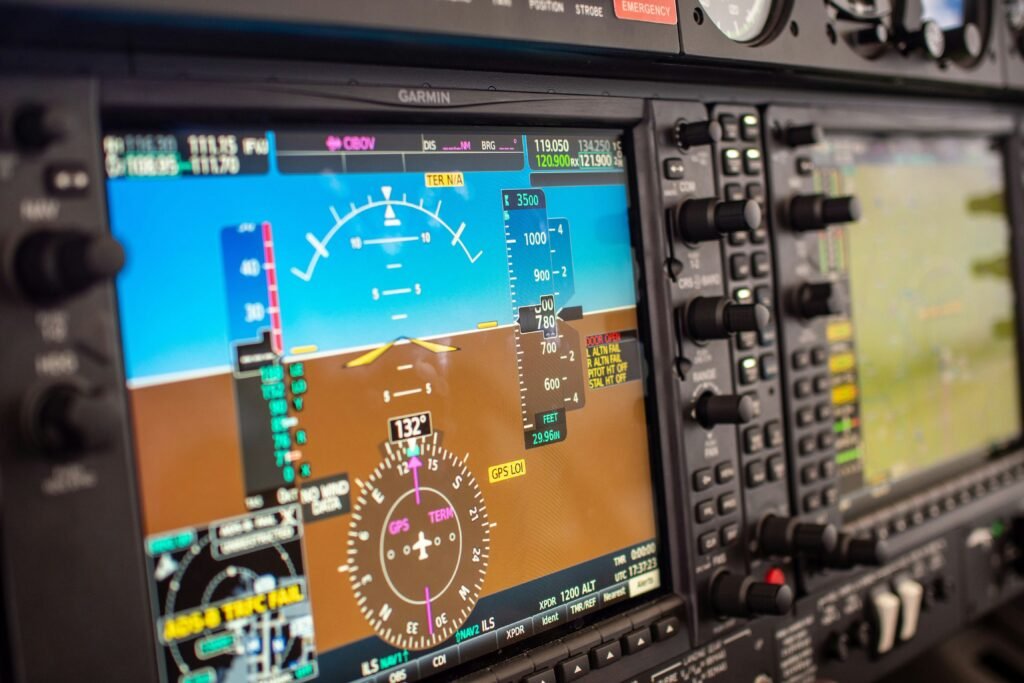
If you’re interested in other aviation careers, check out our comprehensive guide on various aviation roles.
Conclusion
Embarking on the journey to become a pilot is both challenging and incredibly rewarding. It’s a path that demands dedication, perseverance, and a passion for aviation. But remember, every great pilot started where you are now—dreaming of the sky and determined to make that dream a reality.
With the right training, resources, and mindset, you can navigate the complexities of aviation and soar to new heights. Your journey may be filled with rigorous training and obstacles, but these challenges will shape you into a skilled and confident aviator. Each takeoff and landing will bring you closer to your goal, and with every flight hour logged, you’ll be building a future filled with endless possibilities.
So, strap in, embrace the adventure, and let your passion for flying guide you. The sky is not the limit—it’s just the beginning. Aim high, and you’ll discover that your dreams are well within reach. Fly safe, stay focused, and never stop believing in your potential. Your wings are waiting.