


When I first imagined myself working among the clouds, Qatar Airways stood out as the ultimate symbol of elegance and global excellence. If you’re dreaming of a career that blends adventure, prestige, and purpose—this guide is for you.
Consistently ranked among the world’s top airlines, Qatar Airways has earned global acclaim for its service excellence and innovation. Joining Qatar Airways as a cabin crew member could be your gateway to a worldwide lifestyle and a rewarding profession. Known for its luxury service and international excellence, Qatar Airways offers flight attendants the chance to be part of an elite team serving over 150 destinations across Europe, Asia, the Middle East, Africa, and the Americas.
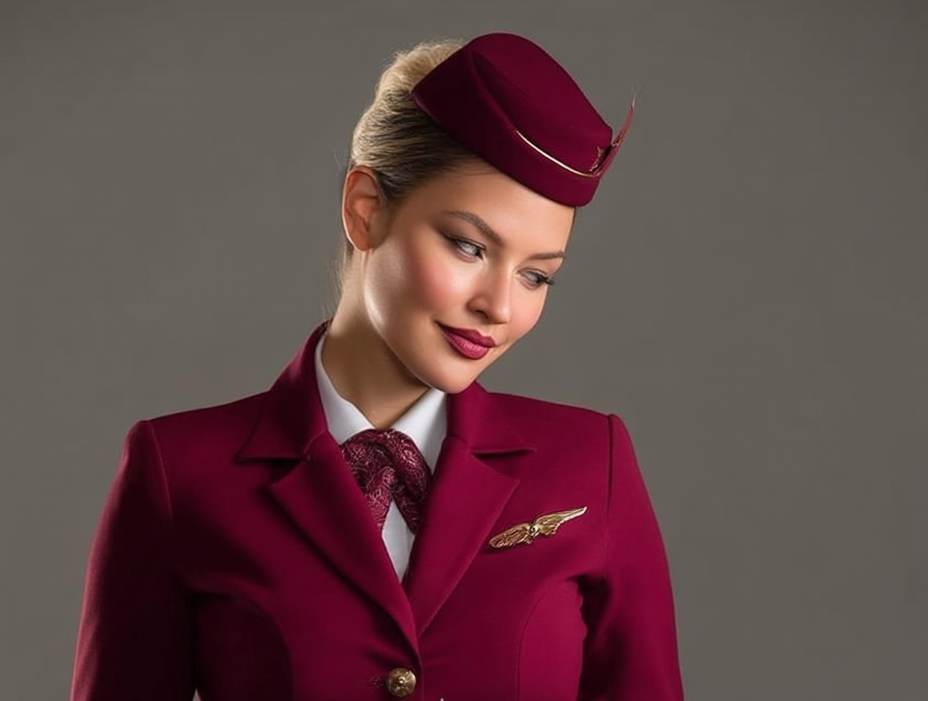
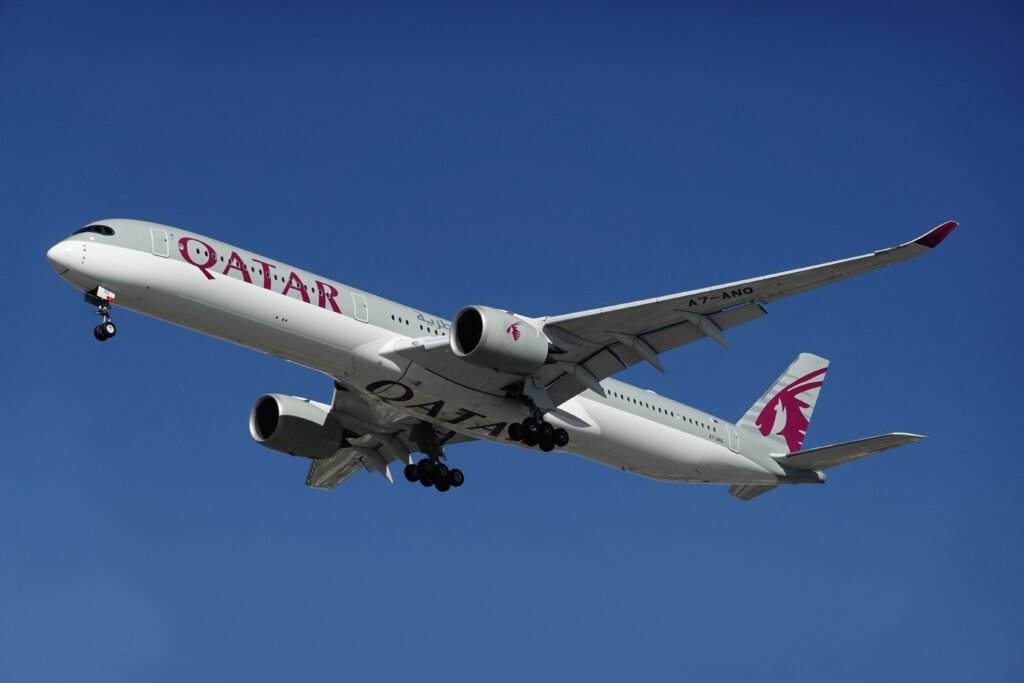
Founded in 1997 and headquartered in Doha, Qatar, the airline has built a reputation as a global leader in aviation. With a fleet of more than 200 modern aircraft, Qatar Airways has been named World’s Best Airline by Skytrax—most recently for the ninth time in 2025. As cabin crew, you’ll receive world-class training, work in a multicultural environment, and gain the skills to deliver exceptional service while navigating diverse situations with professionalism and confidence.
Why Choose a Career with Qatar Airways in 2026?
Starting a career with Qatar Airways as a cabin crew member offers an opportunity to join one of the world’s leading airlines, enjoy outstanding career development, and experience global travel benefits while being based in Doha, Qatar.
World-Class Training and Development
Qatar Airways is known for offering one of the most comprehensive airline training programs in the aviation industry. New cabin crew members receive extensive instruction in safety, emergency procedures, and premium in-flight service. Additionally, training emphasizes the development of communication, problem-solving, and cultural awareness skills that prepare employees for international careers.
Career Growth and Advancement
Employees are encouraged to grow within the company through clearly defined career progression pathways. Whether your ambition is to advance as a senior cabin crew member, explore leadership roles, or move into management, commercial, or strategy departments, you will have opportunities to build a long-term career within this globally respected airline.
Global Travel and Cultural Exposure
With flights to over 150 international destinations, Qatar Airways cabin crew members work across diverse cultural environments and gain invaluable exposure to people from all over the world. This global experience not only enriches personal life but also enhances professional skills that are transferable across industries.
Attractive Employee Benefits
Joining the Qatar Airways team comes with exceptional lifestyle perks, including discounted flight tickets for employees and their families. These benefits make it easier to travel, discover new destinations, and enjoy the cultural richness of living in the Middle East.
Qatar Airways Cabin Crew Requirements (2026 Update)
Do you want to become a flight attendant? To meet the Qatar Airways recruitment standards, applicants must fulfill specific eligibility criteria to ensure that cabin crew uphold the airline’s reputation for safety and service excellence.
- Age Requirements: Applicants must be between 21 and 30 years old at the time of application.
- Height and Reach: A required arm reach between 160 cm and 210 cm ensures crew members can access safety equipment and overhead luggage compartments.
- Education: A high school diploma is the minimum qualification. While previous hospitality or tourism experience is beneficial, no formal aviation background is required.
- Language Proficiency: Fluency in English is mandatory, and knowledge of additional languages offers a competitive advantage.
- Relocation: All cabin crew must be willing to relocate to Doha, Qatar, where the airline is headquartered.
- Professional Appearance: A polished, neat, and well-groomed presentation is essential, reflecting Qatar Airways’ premium service standards.

How to Ace Your Qatar Airways Interview - Dress Code and Style
We know that first impressions matter, especially for a prestigious airline like Qatar Airways. Choosing the proper attire for your interview is crucial and demonstrates your professionalism and attention to detail.
The dress code for a Qatar Airways interview is formal and professional.
For Men:
- A dark suit (navy or gray) is a safe and winning choice.
- Pair it with a light-colored shirt, preferably white.
- Wear a subtle tie that complements your suit.
- Shoes should be black or brown leather and well-polished.
- Accessories should be minimal and discreet, such as a classic watch and a coordinated belt.
For Women:
- A trouser or skirt suit is perfect. Stick to neutral colors like black, navy, or gray.
- If you choose a skirt, ensure it’s an appropriate length, ideally knee-length.
- Shoes should be elegant but comfortable, with low to medium heels. Avoid open-toed or casual shoes.
- Jewelry and accessories should be minimal and understated.
What to Avoid:
- Overly tight or revealing clothing.
- Bright colors or eccentric patterns.
- Excessive makeup or elaborate hairstyles.
- Strong perfumes or colognes.
The goal is to project a polished, professional image that reflects the high standards of a future flight attendant.
Qatar Airways Contracts and Compensation - The Qatar Airways Salary Package
Working for Qatar Airways means joining one of the world’s most reputable airlines, headquartered in Doha, Qatar. The airline offers a competitive full-time contract that includes relocation to the capital, where staff receive free shared accommodation, company transportation, and comprehensive medical coverage.
Contractual Conditions
- Initial Contract: A 3-year contract with the possibility of renewal.
- Annual Leave: Approximately 30 days of paid leave, with discounted return tickets to your home country.
- Training: Intensive and paid training at the Qatar Airways training center.
- Code of Conduct: A rigorous code of conduct applies to attire, behavior, and personal life.

Qatar Airways Salary and Benefits
Starting salaries for a new Qatar Airways cabin crew member range between €1,400 and €1,600 net per month. This compensation is made up of:
- Basic Salary: Around 5,433 QAR (~€1,350)
- Flight Pay and Bonuses: Around 833 QAR (~€210)
As your career advances, you can move into roles like Cabin Senior or Purser, where salaries can exceed €2,000 net per month.
Additional Benefits
The comprehensive benefits package is a key part of the compensation:
- Free Accommodation: Shared apartments in Doha.
- Company Transport: Provided to and from work.
- Full Medical Coverage: Including medical care and insurance.
- Flight Discounts: For employees, their families, and friends on Qatar Airways and partner airlines.
- Discounts: Enjoy access to exclusive discounts at hotels, shops, and other partner establishments.
How is Life in Doha - Living and Working in Qatar
Relocating to Doha, Qatar, for a career with Qatar Airways means immersing yourself in one of the fastest-growing and most cosmopolitan cities in the Middle East. As the nation’s capital, Doha combines traditional Arabian heritage with modern architecture, world-class infrastructure, and a thriving international community.
Quality of Life in Doha
Doha offers a high standard of living, supported by advanced infrastructure, reliable public services, and access to a top-tier healthcare system. Expats enjoy a vibrant social scene that includes shopping malls, luxury dining, desert adventures, cultural festivals, and sports events like the FIFA World Cup legacy activities. If you prefer sandy beaches, artistic museums, or modern entertainment hubs, Doha provides a lifestyle that balances work and leisure.
Professional Culture and Workplace Expectations
Working for Qatar Airways means embracing a professional work culture built on punctuality, attention to detail, and teamwork. Employees are expected to follow the company’s code of conduct, which reflects the airline’s reputation for excellence in service and safety. Commitment, discipline, and respect for company standards are essential for building a successful long-term career in aviation with Qatar Airways.
Adapting to Local Culture and Traditions
Qatar is known for its conservative traditions rooted in Islamic values. When relocating to Doha, it is essential to demonstrate cultural awareness and sensitivity:
- Dress modestly and appropriately in public spaces.
- Show respect for local customs, traditions, and religious practices.
- Maintain a discreet lifestyle outside of work, reflecting the values of the community.
Respecting these cultural norms will help new residents integrate smoothly and foster positive relationships with colleagues, neighbors, and clients.
Legal and Social Guidelines
Qatar enforces strict laws that all residents must follow. Awareness of local regulations regarding behavior, social conduct, and dress codes ensures a smooth adjustment to life in Doha. By observing these guidelines, expatriates can build a safe, rewarding, and enriching experience while enjoying the opportunities of living in the Middle East.

Practical Tips to Succeed in the Selection Process
Becoming a flight attendant for Qatar Airways is an ambitious goal, but with proper preparation, it’s achievable. The selection process is rigorous, but each stage can be approached with strategy and confidence.
- Craft a Perfect CV: Your resume is your first impression. Make it clear, organized, and relevant. Highlight skills and professional experiences related to customer service. Personalize it for the role and choose a clean, professional layout.
- Prepare for the Interview: Your attitude matters as much as your answers. Be confident, positive, and motivated. Practice answering common questions like:
- “Why do you want to work for Qatar Airways?”
- “What are your main qualities?”
- “How would you handle a difficult situation on board?”
- Improve Your English: A strong command of English is essential. If you feel your skills are lacking, invest time in courses, conversation apps, or private lessons. Watching films, listening to podcasts, and reading articles in English can also help improve your fluency and comprehension.
- Practice with Real Scenarios: Imagine having to manage an agitated passenger, a medical emergency, or a special request. Practicing with realistic scenarios will make you feel more confident and prepared to demonstrate your abilities during the selection process.
Your Journey Starts Now
Becoming a Qatar Airways Cabin Crew member is a chance to build a life full of adventure. Qatar Airways is not for everyone, and I think you need to be prepared and courageous. This is your opportunity to work for an airline that’s a true leader in the industry, giving you a stable career while you explore the world. If you’re ready to embrace new cultures, meet amazing people, and grow both professionally and personally, then this could be the perfect path for you.
All it takes is a little preparation and a lot of passion. Believe me! Your enthusiasm for flying and your commitment to helping others are exactly what Qatar Airways is looking for. So, why wait? Take that first big step and apply today. The journey of a lifetime is waiting for you.
Did you love this article? Read more:
The essentials of easyJet cabin crew requirements To become easyJet cabin crew, you need to be at least 18, with no upper age limit, and between 157.5 cm and 190 cm tall without shoes. You must swim 25 metres unaided, speak fluent English, plus the local language for bases outside the UK, and have the right to work in the country of your base. easyJet has announced hundreds of UK roles for 2027, and applications are expected to open soon. The orange livery you could soon be wearing on your uniform too I became cabin crew at 40, and not on my first try. I failed five assessment days before the sixth one finally ended with a yes. Later, I also worked on the ground for a handling company that looked after easyJet flights, so I have seen the orange crews from both sides of the aircraft door. It was during the pandemic, at Lyon-Saint-Exupéry Airport in France, that I first took a close look at easyJet crew members. I loved their relaxed attitude and their elegance, mixed with professionalism. I started to dig a little into their job, and I chatted briefly with one of their crew members, who was waiting to board an aircraft that had just landed from Glasgow for its turnaround. This guide is written for anyone applying to easyJet, whether your base is in the UK or elsewhere in Europe. Most of what you need to know is the same everywhere, and where the rules change for British bases, I tell you clearly. And if you are wondering whether you are too old for this job, keep reading, because easyJet has an answer that might surprise you. In this guide Why apply to easyJet now easyJet cabin crew requirements The easyJet recruitment process Salary and contract Training course and rosters Before you apply FAQ Why You Should Consider Applying to easyJet Right Now Timing always matters, and right now it is on your side. It is a good period! In fact, easyJet has announced a new recruitment drive with hundreds of roles across the UK for 2027, and applications are expected to open in the coming weeks. The airline is also growing its British network, with three new UK routes for summer 2026 and a new base at London Southend. On the European continent, easyJet has been inviting candidates to register their interest for cabin crew roles across France for summer 2027. I want to share a detail that tells you a lot about who easyJet wants on board. Since launching its initiative to recruit older workers in 2022, the number of its cabin crew over 50 has more than doubled, up 127%, while those over 60 have almost quadrupled. Look at the registration. HB means Switzerland, so this aircraft belongs to easyJet Switzerland, one of the group’s three airlines. Today around 12% of easyJet’s cabin crew are aged 50 or over. This is very good news for everyone who still hesitates and keeps writing to me about it. Somewhere in this universe, an airline is looking for people like you, and not only for twenty-year-olds. Know that easyJet is not just one airline; it is three. The group operates as easyJet UK, easyJet Europe (registered in Austria) and easyJet Switzerland. Your base decides which one employs you, which contract law applies, which licence you receive and, in the end, how much you earn. It is completely normal for two crew members wearing the same orange uniform on the same aircraft type to have very different contracts. easyJet cabin crew bases in the UK Region Bases London Gatwick · Luton · Southend South West and Midlands Bristol · Birmingham North of England Manchester · Liverpool · Newcastle Scotland Edinburgh · Glasgow Northern Ireland Belfast easyJet cabin crew bases in Europe Country Main bases Language beyond English Employer France Paris CDG · Paris Orly · Lyon · Nice · Toulouse · Bordeaux French easyJet Europe Italy Milan Malpensa · Naples · Venice Italian easyJet Europe Spain Barcelona · Málaga · Palma Spanish easyJet Europe Portugal Lisbon · Porto · Faro Portuguese easyJet Europe Germany Berlin German easyJet Europe Netherlands Amsterdam Check the advert easyJet Europe Switzerland Geneva · Basel French or German easyJet Switzerland Outside the UK, you need fluent English plus the native language of your base. For example, a base in Berlin requires fluent German as well as English. People sometimes see this as an extra hurdle, and that is perfectly understandable. I advise you to see it as common sense, and I learned why on the ground, not in the air. When I worked at the check-in desk in France, the passengers who needed me most were the ones who barely spoke English. They were the elderly couple travelling for the first time, the parent with a crying child and a missing boarding pass, the passenger who panicked because the gate had changed at the last minute. In those moments, speaking their language was crucial. I quickly learned that a few calm words in pure French could do more than a perfect sentence in English. On board, it is the same, only with less space and less time. English is the language of safety, the one you use with the pilots and in your procedures, the language of aviation. The local language is the one that reaches the passenger in front of you when something goes wrong. Contracts follow the employment law of the base country, so salary, holidays, and conditions change from one country to another. If you are aiming for an Italian base, my Italian guide to easyJet goes into detail on the Italian contracts. Next campaign expected soon Updated 29 September 2026 easyJet has announced hundreds of cabin crew roles for 2027 across its UK bases, but applications are not open yet. The careers page says the airline is finalising its needs for summer 2027. Check it often, because vacancies go live base by base and can close quickly.Read More »easyJet Cabin Crew Requirements 2026 & Assessment Day
Roster in a nutshell — A cabin crew roster is your monthly work plan, with every flight, standby, training day, and day off. In the United States, the same document is called a flight attendant schedule or line. In the UK and Europe, the airline builds your roster and publishes it in advance. Most US airlines let crew members bid on their schedules based on seniority. Wherever you fly, legal minimum rest periods protect you. In the UK and Europe, you get at least 12 hours at home base and 10 hours away from base. In the US, you get 10 hours after any duty of up to 14 hours. There’s quite a bit of confusion around flight attendant roster planning, and in this article, I would like to shed some light on it. I want you to know that my experience will guide you. When I received my first roster after completing the Ryanair Training Course, it was the most amazing feeling of my life! That’s why I can freely tell you that the day you receive your first Roster will be an unforgettable moment. I must also warn you. The first time you open it, it feels like looking at The Matrix. Codes, airport identifiers, strange times… You won’t understand much, despite the intensive study days you’ve just completed. You’ll also wonder whether you’ll ever have a social life again. This complete guide will help you read your roster, whether you fly from London, Dublin, Dubai, Sydney, or Chicago. ✈Your flight plan What is a cabin crew roster? Swaps, requests and annual leave Roster, schedule or line around the English-speaking world Anatomy of a cabin crew roster A cabin crew roster example Typical roster patterns by type of airline How rosters are built — allocation vs bidding Rest and duty limits Standby and reserve Roster apps The work-life balance reality My view — what the roster can really teach you FAQ Flight attendant reviewing her duty Roster What is a cabin crew roster? A roster is simply your crew schedule, usually for one calendar month. In aviation, this document is sacred. It decides where you’ll sleep, when you’ll see your friends and a good part of how much you’ll earn. It is your map, and you should always keep an eye on it. Your roster is built by the airline’s crew planning (or rostering) department. Specialised software combines flights, aircraft, crew qualifications and legal rest limits. Contrary to what some people think, your roster doesn’t depend on anyone’s personal preference. It solves a huge puzzle in which you are one piece among thousands. Behind the scenes — how your roster is really built Few people know this, but your roster is born in two separate stages, often months before you see it. Stage 1 — pairings. Planners first cut the airline’s whole timetable into pairings (called trips or sequences in the US). A pairing is a chain of flights that starts and ends at the same base and respects every legal limit. At this stage there are still no names, only anonymous duties. For example, a pairing might be Stansted – Alicante – Stansted – Dublin – Stansted, or a three-day trip with a layover in New York. Stage 2 — rostering. The software then assigns those pairings to real people, and this part is far from simple, because everything has to match perfectly. It checks your qualifications, your annual leave, your training dates, your requests and your rest from the previous month. It also tries to share out early starts, late finishes, weekends and flying hours fairly across the whole crew. The numbers behind this are huge. With hundreds of daily flights and thousands of crew members, the possible combinations run into the billions. Airlines use mathematical optimisation software, from providers such as Jeppesen, Sabre or Lufthansa Systems, to find the best solution in a few hours. I was really surprised to learn that crew costs are one of an airline’s biggest expenses, often second only to fuel, so saving even 1% can mean millions every year. And this intricate mix of numbers, codes, destinations, and names never stops moving. Once the roster is published, the crew control team takes over and rebuilds it in real time every time a flight is delayed, a storm closes an airport, or a colleague calls in sick. That’s why your roster can change overnight. The puzzle is simply moving again. Swaps, requests and annual leave The swap (shift exchange, trip trade in the US) is your lifeline. Your best friend’s birthday falls on a working day? A family event you can’t miss? A swap can save the day. How it works, though, depends a lot on your airline. Crew-to-crew swaps. At many airlines, especially in the US and at some long-haul carriers, you find the colleague yourself. You post your duty on the crew app or a swap board, you agree with a colleague to exchange duties, and crew scheduling approves the deal. This is exactly where your negotiation skills become fundamental, and believe me, you’ll negotiate a lot throughout your cabin crew career. Swaps through the rostering team. At other airlines, you don’t hunt for anyone. I remember the first time I went on a short trip to Paris. I had the brilliant idea of taking the wrong shoes, walked 14 km with almost no breaks, and by the end of the day I was literally exhausted. The next day I wasn’t able to work, so I called the rostering team. They checked who was available and legally able to take my place, reallocated the duties, and confirmed the change. Your request may look simple, but behind that phone call, they have to respect rest limits, qualifications, and the rosters of every other crew member involved. The earlier you ask, the better your chances. Either way, once you start working, remember one rule. A swap is never guaranteed until crew scheduling or rostering confirms it; until then, yourRead More »Cabin Crew Roster Guide – How It Works (Complete Guide 2026)
At a glance. Jet2 is recruiting cabin crew now for summer 2027. The advertised on-target earnings are £35,200+ (pro rata for the length of the contract), including commission, flight duty and sector pay. The contracts are full-time, fixed-term contracts until the end of the summer season (November 2027), with the potential to return for summer 2028. Training is a 4-week, CAA-approved, paid course with no upfront costs. And the rule most candidates miss is that only one cabin crew application is permitted per recruitment season, so the base you choose is the base you get. I earned my wings at 40, after failing five assessment days before Ryanair finally hired me on the sixth. I flew for Ryanair and Buzz, then went back to airport ground work, where I handled check-in for easyJet, Wizz Air and other carriers. So I know the British-style low-cost selection from the inside. In this guide Jet2 recruitment 2027 and the 14 bases The selection process, step by step Jet2 cabin crew interview questions Jet2 cabin crew salary and wages Jet2 cabin crew requirements in the UK Training and life on the line Before you apply Jet2 cabin crew FAQ Jet2 Cabin Crew Recruitment 2027 — Choose Your Base Carefully Jet2 is a fast-growing company. The group describes itself as the UK’s third-largest airline, with a fleet of 138 aircraft in summer 2026 flying from 14 UK bases. The newest one is London Gatwick, where the first flights departed on 26 March to Tenerife and Alicante, in what the airport called its largest airline launch in more than a decade. The good news is that the summer 2027 campaign is already open. At Stansted alone, the airline has added eight new destinations to its summer 2027 program, bringing the total to 55 routes and more than 2.4 million seats. The current advert covers Gatwick, Luton and Stansted. One application, one base, one season Here is a part you should know, and it makes all the difference. Jet2 asks you to apply only for the airport you wish to be based at, because subsequent applications cannot be considered. In practice, that means one application, one base, one season. So if you apply for Manchester and then realise Liverpool would be easier to reach at 4 am, you cannot switch. The advert also asks that you can travel reliably to and from your airport base for all rostered shifts, and Jet2 really means it. This is because early reports often start before public transport does. The 14 Jet2 cabin crew bases Belfast InternationalNorthern Ireland BirminghamWest Midlands BournemouthSouth West BristolSouth West East MidlandsEast Midlands EdinburghScotland GlasgowScotland Leeds Bradford Yorkshire Head office LiverpoolNorth West London Gatwick South East New · March 2026 Recruiting for 2027 → London Luton East of England New · April 2025 Recruiting for 2027 → London Stansted East of England Recruiting for 2027 → ManchesterNorth West NewcastleNorth East Recruitment open now Updated 22 September 2026 Jet2 is recruiting cabin crew for summer 2027 at London Gatwick, London Luton and London Stansted. Last year, further campaigns and open days followed between October and December, so if your base is not listed yet, set a job alert now and check back regularly. See Jet2 cabin crew vacancies → All Jet2 cabin crew bases are in the UK. Jet2.com is the airline, and Jet2holidays is the tour operator that sells package holidays on Jet2.com flights, so the cabin crew job is the same regardless of which brand you see in the advert. If you find Jet2 jobs in Spain, Portugal or Greece, they are resort and ground roles with Jet2holidays, not cabin crew positions. Jet2 opens its seasonal campaigns base by base, and closes them once places are filled, so apply as early as you can. The fastest way to know when applications open is to set a job alert for the base you want on the official Jet2 cabin crew careers page, not for Jet2 in general. The Jet2 Cabin Crew Selection Process The Jet2 process is shorter than many airlines’ and very British in style. It checks your paperwork almost as carefully as your personality. Online application and online assessment The application form is short. Right after it comes the online assessment. Candidates take a timed reading comprehension and detail-checking test. But this is not an aviation exam — it tests whether you read carefully and spot errors fast, which is exactly what you will do every day with safety paperwork and passenger lists. Do it somewhere quiet, with a clear head, in one sitting. The video or phone interview If you pass, a recruiter contacts you for a short interview by phone or video. Usually, it is by video. Expect questions about the basic conditions of the job (early starts, fixed-term contract, travel to base) and then about your customer service experience. Answer the practical questions with a clear yes, I understand, and I can do that. Recruiters are checking that you have read the advert, not only that you are friendly. If your invitation is for a recorded video interview instead, the rules change completely, from the questions you will hear to the way you look at the camera. I explain them in my book “The Cabin Crew Video Interview Guide” The assessment day The Jet2 selection process is slightly different from other airlines. First, a reach-and-jump seat test; then, introductions and group exercises; and finally, for those who get through, an individual interview in the afternoon. The pair’s presentation The introductions are not the classic “tell us about yourself” but rather a short presentation with a twist. One candidate described a presentation exercise where you went to the front in pairs and had to tell the room about your partner’s most embarrassing moment, then swap stories after a few minutes. The trick is to give your partner a short, light, kind story with a funny ending. Mine would be my first date alone with the man who is now my partner. WeRead More »Jet2 Cabin Crew 2027 — Requirements, Selection and Pay